




A medication for high blood pressure is drawing attention in the field of metabolic research. Scientists have discovered that losartan can increase the activity of brown adipose tissue. This special type of fat tissue burns energy rather than simply storing it. The discovery could open up new avenues for research into obesity, diabetes, and cardiovascular diseases.
Brown Fat: The Body’s Own Tissue That Burns Energy
Not all fat is the same. While white adipose tissue stores excess energy, brown fat serves a completely different purpose: it burns energy to generate heat. This process is known as thermogenesis. The tissue owes its unique ability to the numerous mitochondria—the so-called powerhouses of the cells. They contain a special protein called UCP1, which enables energy to be specifically released as heat.
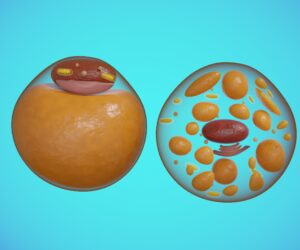
This mechanism is particularly important at low temperatures. When the body gets cold, brown fat can be activated to help maintain body temperature. For a long time, it was assumed that brown fat was found mainly in infants. However, we now know that adults also have active brown adipose tissue. It is found, among other places, in the neck and shoulder areas as well as near certain internal organs. The amount of active brown fat a person has varies from person to person. Age, body composition, and ambient temperature can all play a role in this.
A recent study from Rockefeller University provides exciting insights. The focus is on losartan, a medication that has been used for years to treat high blood pressure. The scientists discovered that this active ingredient may also influence the activity of brown adipose tissue. In the long term, the results could open up new approaches for treating metabolic diseases.
Losartan: A Blood Pressure Medication with a Surprising Effect
Losartan belongs to the class of angiotensin II receptor blockers (ARBs). These medications are used to treat high blood pressure. They block certain receptors in the hormonal system, thereby causing blood vessels to relax. The researchers wanted to find out whether this class of drugs might have additional biological effects. While analyzing medical patient data, they noticed that people taking angiotensin receptor blockers were more likely to have detectable brown adipose tissue.
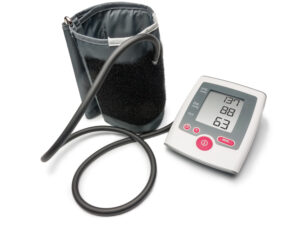
Subsequent laboratory studies provided further evidence. Losartan was able to directly increase the metabolic activity of brown fat cells. Of particular interest was that this activation appears to occur via molecular signaling pathways that are separate from the drug’s blood pressure-lowering effect. This could be significant for future drug development. It may one day be possible to specifically target the mechanisms that activate brown fat without simultaneously affecting blood pressure.
The scientists also verified their observations in experiments with mice. These experiments showed that the animals treated with losartan developed increased metabolic activity. They consumed more oxygen and produced more carbon dioxide—both of which are indicators of increased energy expenditure. Interestingly, the animals’ body weight remained stable despite the increased metabolic activity. This illustrates that higher energy expenditure does not automatically lead to weight loss. The body’s overall energy balance is always the decisive factor. Nevertheless, the results provide important evidence that losartan can influence the activity of brown adipose tissue.
Data from Over 100,000 Patients Provide Surprising Insights
A particularly extensive part of the research focused on the question of which health benefits are associated with active brown fat. To this end, the scientists analyzed medical imaging data from more than 100,000 patients. Using PET and CT scans, they were able to identify which individuals had detectable brown adipose tissue. Artificial intelligence techniques were also employed in the analysis. People with detectable brown fat showed, on average, more favorable metabolic values. These included, among others:
- More favorable blood sugar levels and glucose metabolism parameters
- More favorable blood lipid levels
- Better results on certain heart function tests
- Lower levels of inflammatory markers
- Associations with a lower incidence of certain cardiovascular and metabolic diseases
The results suggest that brown fat may play an important role in overall metabolic health. However, such statistical associations do not yet prove that brown fat directly protects against these diseases. Similarly, an overall healthier metabolism could contribute to people having more active brown fat.
Further Research Confirms the Importance of Brown Adipose Tissue
Previous research also shows that brown adipose tissue may play an important role in our health. A study published in 2021 in the journal *Nature Medicine* examined more than 52,000 people and yielded remarkable findings. The scientists found that individuals with detectable brown adipose tissue were less likely to suffer from certain metabolic and cardiovascular diseases. These included, among others, type 2 diabetes, high blood pressure, and coronary artery disease.
These associations were also observed in people who were overweight or obese. This suggests that brown fat may be associated with better metabolic health regardless of overall body weight. The findings complement current research on losartan and underscore why brown fat is increasingly becoming a focus of medical research. However, these are observational associations and do not constitute proof that brown fat alone protects against these diseases.
Brown Fat and Diabetes: A Promising Research Approach
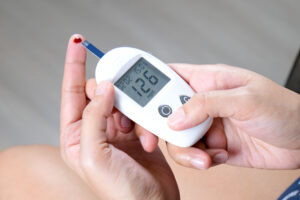
In insulin resistance, the body’s cells become increasingly less responsive to the hormone insulin. As a result, sugar can no longer be absorbed efficiently enough from the blood. Over the long term, this can lead to the development of type 2 diabetes . Brown fat consumes large amounts of energy and plays an active role in metabolism. For this reason, scientists are investigating whether higher activity in this tissue is also associated with better blood sugar regulation.
Current data provide further evidence in this regard. People with detectable brown fat showed, on average, more favorable glucose metabolism values. If this correlation is confirmed in further studies, the targeted activation of brown adipose tissue could become an interesting approach in metabolic research in the future.
Surprising Link to Mental Health
Analysis of patient data showed that people with detectable brown fat were less likely to suffer from anxiety disorders and depression. The reason for this association remains unclear. One possible explanation could be that better metabolic health is also associated with better mental health.
Metabolism, inflammatory processes, and the nervous system are interconnected in complex ways. Whether brown fat itself has a direct influence on mental health or is merely an indicator of an overall better state of health remains to be investigated. The researchers also found evidence suggesting that certain antidepressants from the SSRI class may be associated with altered activity in brown adipose tissue. Further research is needed in this area as well. No recommendations regarding changes to existing medication regimens can be derived from these observations.
Not Just Benefits: Further Research Is Needed
Although the results show numerous interesting associations with better health, brown fat does not appear to be associated exclusively with positive characteristics. The analysis also revealed associations with a higher incidence of certain skin diseases and osteoporosis.
It remains unclear why these observations occur. It is possible that other biological factors play a role, influencing both the activity of brown adipose tissue and the risk of certain diseases. The findings highlight the complexity of our metabolism and underscore that individual biological mechanisms should not be considered in isolation.
Could Losartan also Improve Metabolism in the Future?
The idea that an already established medication could one day be used to specifically activate brown adipose tissue is undoubtedly exciting. Particularly promising is the observation that the activation of brown fat appears to occur independently of the drug’s blood pressure-lowering effect. If we succeed in understanding the underlying mechanism more precisely, this could lead to the development of new active ingredients that specifically influence the body’s energy expenditure. However, this research is still in its early stages. The results so far do not prove that losartan can be used in humans for weight loss or to treat diabetes. Further clinical studies are needed to establish this. Losartan should therefore be taken only as prescribed by a doctor.
The new findings show that brown fat is much more than just the body’s own heat reservoir. Its ability to burn energy makes it an important subject of research in the context of obesity, metabolism, and cardiovascular health. Particularly surprising is the discovery that losartan can increase the activity of brown fat cells in experimental studies. At the same time, extensive patient data point to interesting correlations between brown fat, more favorable metabolic markers, and mental health.
It is still too early to derive specific treatment recommendations from these findings. However, the results open up new perspectives for the future of medicine. It is possible that one of the keys to a better understanding of metabolic diseases actually lies in the body’s ability to selectively activate certain fat cells to burn energy.