




Scientists may have discovered a hidden biological switch that helps determine the speed of the ageing process in the body. A study published in PLOS Biology suggests that decreasing levels of a specific protein in the brain called menin can trigger inflammation, memory loss and other age-related changes throughout the body. In experiments with mice, restoring protein levels reversed several signs of aging, while a simple amino acid supplement improved cognitive function. The findings support the growing realization that aging may be strongly influenced by the hypothalamus, a small but powerful brain region that regulates metabolism, hormones, body temperature, sleep and stress responses. Researchers increasingly view the hypothalamus as a central control center for the aging process itself.
A Brain Protein Whose Concentration Decreases With Increasing Age
The study carried out by Lige Leng and colleagues at Xiamen University focused on the protein menin, which apparently fulfills an important protective function in the brain. Previous studies had already shown that menin is involved in the regulation of inflammatory processes and can suppress neuroinflammatory reactions. As chronic inflammation is increasingly seen as a key driver of biological ageing, the researchers wanted to find out whether a loss of menin could contribute directly to age-related changes.
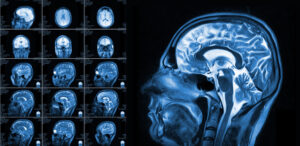
The experiments showed that menin levels in the hypothalamus decreased significantly as the mice aged. Neurons in the ventromedial hypothalamus (VMH), a brain region that plays an important role in metabolism, energy balance and hormonal regulation, were particularly affected. This area in particular has been the subject of intensive research for several years because it is apparently closely linked to systemic ageing processes. Interestingly, the researchers observed the decline almost exclusively in nerve cells, while neighboring supporting cells such as astrocytes or microglia showed largely stable menin levels. This suggests that the neuronal networks themselves may be particularly sensitive to age-related changes in the protein.
In order to investigate the consequences of this loss in more detail, the scientists developed mice in which menin activity could be specifically reduced. Even in relatively young animals, this led to changes that normally only occur in old age. The mice developed increased inflammatory reactions in the brain, their skin became thinner, their bone mass decreased and they showed problems with balance and coordination. In addition, memory and learning ability deteriorated significantly and the animals had a shorter lifespan overall.
The results suggest that menin could be a kind of protective “anti-ageing” factor in the brain. According to the researchers, the protein could help to control inflammatory processes and maintain important neuronal functions. If menin levels fall with age, several biological systems could be thrown out of balance at the same time – including metabolism, hormone regulation, brain function and tissue renewal. It is precisely this combination of neurological and physical changes that makes the study particularly interesting for ageing research.
The Connection With D-Serine
Reversal of Signs of Ageing in Mice
The researchers then investigated whether age-related changes could be at least partially reversed by restoring menin levels. To do this, they introduced the menin gene directly into the hypothalamus of older mice, which were biologically equivalent to advanced human age at around 20 months. Around 30 days after treatment, the animals showed significant improvements in several areas. They performed better in learning and memory tests, moved more confidently and showed fewer balance disorders. At the same time, physical age characteristics such as skin thickness and bone density also improved.

The positive effects were associated with increased levels of D-serine in the hippocampus. The hippocampus plays a central role in learning and memory formation and is particularly susceptible to age-related decline. The researchers therefore suspect that menin positively influences communication between nerve cells and synaptic plasticity via D-serine. The team also tested whether direct supplementation of D-serine could achieve similar effects. After three weeks, older mice indeed showed better cognitive performance and performed significantly better in memory tasks. However, physical signs of ageing such as thinner skin or lower bone mass remained largely unchanged.
This difference indicates that menin probably regulates the ageing process via several interconnected biological signaling pathways. While D-serine appears to primarily influence brain function and memory performance, other mechanisms controlled by menin may be responsible for the improvements in skin, bone and general physical ageing.
Why the Hypothalamus is Becoming a Focus of Ageing Research
Interest in the hypothalamus has grown considerably in ageing research in recent years, as scientists increasingly view this small brain region as a possible control center of biological ageing. Although the hypothalamus only makes up a very small part of the brain, it controls numerous vital processes such as metabolism, body temperature, sleep, hunger, stress reactions and the release of hormones. It is precisely these systems that change significantly with increasing age, which is why researchers suspect that the hypothalamus could play a central role in coordinating age-related changes throughout the body.
Several studies now indicate that inflammatory processes in the hypothalamus are closely linked to ageing and neurodegenerative diseases. With increasing age, certain immune and signaling pathways change there, which can promote chronic low-grade inflammation. These so-called neuroinflammatory processes are associated with memory loss, metabolic disorders and an increased susceptibility to diseases such as Alzheimer’s disease.
Epigenetic changes are of particular interest. This refers to changes in gene activity without the actual DNA sequence being altered. DNA methylation plays an important role here – a biological mechanism that influences which genes are active or inactive. Recent studies show that the hypothalamus develops characteristic changes in these epigenetic patterns with age. Researchers suspect that this could influence central ageing processes in the brain and the rest of the body.
A study published in Nature Communications in 2024, for example, showed that age-related changes in the hypothalamus could be linked to signaling pathways involving hormones such as oxytocin and gonadotropin-releasing hormone. Oxytocin is not only known for social bonding, but also influences stress responses, inflammation and possibly regenerative processes in the brain. Gonadotropin-releasing hormone, on the other hand, plays a central role in hormonal control of the body and has already been linked to ageing processes and cognitive functions in previous studies.
The new menin study fits into this growing line of research. It supports the idea that ageing is not exclusively the result of random cell damage or general wear and tear processes. Instead, the brain could actively control certain aspects of ageing by regulating inflammation, metabolic processes and hormonal signaling pathways. The hypothalamus would act as a biological control center that influences how quickly or slowly various organ systems age. If these correlations are also confirmed in humans, this could open up completely new approaches for geriatric medicine in the long term. Instead of just treating individual symptoms of age-related diseases, future therapies could attempt to specifically influence central control mechanisms in the brain in order to slow down the biological ageing process itself or delay certain age-related changes.
Could D-Serine also Help in Humans?
Despite the excitement about the results, the research is still at an early stage and has been conducted on mice rather than humans. Researchers do not yet know whether increasing menin levels or taking D-serine supplements could safely slow down ageing in humans or improve cognitive abilities. The researchers also warn that altering the powerful signaling pathways in the brain could have unintended consequences. Further research is needed to understand why menin declines with age, how long any positive effects might last, and whether D-serine supplementation might cause side effects over time. Nevertheless, the study offers a fascinating insight into how ageing may one day be more effectively targeted.
Leng said, “We hypothesize that the age-related decline in menin expression in the hypothalamus may be one of the driving factors of aging and that menin may be the key protein linking the genetic, inflammatory and metabolic factors of aging. D-serine is a potentially promising therapeutic agent against cognitive decline. Menin signaling in the ventromedial hypothalamus (VMH) was decreased in aged mice, contributing to systemic aging phenotypes and cognitive deficits. The effects of menin on aging are mediated by neuroinflammatory changes and signaling in metabolic pathways, accompanied by serine deficiency in the VMH, whereas restoration of menin in the VMH reversed the age-related phenotypes.”