



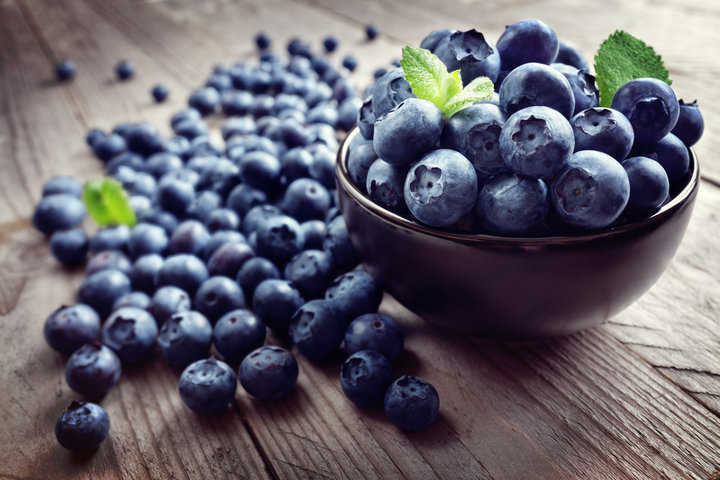
A recently published scientific study summarizes decades of research looking at the impact of wild blueberries on cardiometabolic health. This area of health includes important measures such as blood vessel function, blood pressure, blood lipids (cholesterol and triglycerides) and blood sugar (glucose). The study was published in “Critical Reviews in Food Science and Nutrition” and is the result of an expert symposium organized by the Wild Blueberry Association of North America (WBANA) in Bar Harbor, Maine. The symposium was attended by twelve specialists in the fields of nutrition, food science, dietetics, nutritional metabolism and physiology, cardiovascular and cognitive health, gut health and microbiology, as well as preclinical and clinical research models.
Decades of Clinical Research Under the Microscope
The study analyzed 12 human clinical trials conducted over a 24-year period in four countries that specifically looked at the cardiometabolic effects of wild blueberries. In addition, the authors reviewed dozens of related clinical, translational and mechanistic studies on wild blueberries, cultivated blueberries and a variety of cardiometabolic outcomes.
Overall, the authors report that the evidence for improvements in vascular function is strongest and most consistent. The results in terms of blood pressure, blood lipids and blood glucose regulation are described as encouraging, although the authors emphasize that larger and more carefully controlled clinical trials are needed to confirm these effects. Beyond traditional cardiometabolic markers, the review also considers related outcomes associated with general cardiometabolic well-being, including gut health and cognitive performance.
Blood Vessel Function Shows the Clearest Benefits
Across all clinical studies examined, improved blood vessel function stands out as one of the most reliable outcomes. Research suggests that wild blueberries may support endothelial function (i.e. the ability of blood vessels to relax and respond to stimuli). This function is crucial for the regulation of blood flow, blood pressure and protection against inflammatory processes and vascular damage. The formation of nitric oxide, a messenger substance that dilates the vessels and maintains their elasticity, plays a central role in this. Some studies observed changes within a few hours after a single serving, while others reported benefits after regular intake over weeks or months.
Wild blueberries are rich in anthocyanins and other polyphenols, which have antioxidant and anti-inflammatory properties. Studies suggest that these plant substances can increase the availability of nitric oxide by promoting its formation or reducing its breakdown. This improves the reactivity of the blood vessels. Regular intake over several weeks or months has also been found to have more lasting effects. These include a sustained improvement in endothelial function, increased vascular elasticity and, in some studies, moderate reductions in blood pressure. These longer-term changes are associated with a reduction in oxidative stress and chronic inflammation in the vascular wall as well as a stabilization of nitric oxide signalling pathways. These effects appear to be particularly pronounced in people with already impaired vascular function, such as those with slightly elevated blood pressure or metabolic risk factors.
Changes in the Gut Microbiome Could Play an Important Role
According to the authors, wild blueberries contain dietary fibres and polyphenols that reach the large intestine largely intact (only about 5-10% of these compounds are metabolized/absorbed in the small intestine). There they are converted by intestinal microbes into metabolites that can enter the bloodstream. These microbial by-products can account for up to 40% of the active compounds found in the blood after consuming polyphenol-rich foods such as wild blueberries.
A six-week clinical study highlighted in the review found that adults who consumed 25 grams of freeze-dried wild blueberry powder daily experienced an increase in beneficial Bifidobacterium species. Bifidobacteria are known to support a stable intestinal barrier, produce anti-inflammatory metabolites and facilitate the processing of complex plant ingredients. A more favorable microbiome may contribute to reduced low-grade inflammation, which is considered a common risk factor for cardiovascular disease, type 2 diabetes and metabolic syndrome. There is also evidence that microbial metabolites can influence endothelial function, for example via signaling pathways that affect glucose and lipid metabolism and the regulation of inflammatory processes. While the review identifies the gut microbiome as a likely factor in the cardiometabolic effects of the berries, the authors point out that further research is needed to clarify exactly how this process works.
Cognitive Performance and Outcomes in Relation to the Brain
The review also summarizes intervention studies in older adults that suggest that wild blueberry consumption may support certain aspects of cognitive performance. Improvements were observed in areas such as thinking speed and memory. These effects may be related to better blood flow throughout the body and other cardiometabolic improvements and have been reported after both one-time consumption and longer-term interventions.
A key explanatory approach is the close relationship between vascular health and brain function. The brain relies heavily on continuous and well-regulated blood flow. Studies suggest that the improved endothelial function and vascular elasticity provided by wild blueberries may benefit not only peripheral but also cerebral blood flow. A better blood supply to the brain can improve the supply of oxygen and nutrients and thus support cognitive processes more efficiently. In particular, the increased availability of nitric oxide is being discussed as a possible mechanism, as this messenger substance also plays an important role in the brain vessels.
In addition to these vascular effects, direct neurobiological effects of the polyphenols contained in wild blueberries are also being considered. Some anthocyanin metabolites can cross the blood-brain barrier and can be detected in brain tissue. There they could influence antioxidant and anti-inflammatory processes and modulate signaling pathways involved in synaptic plasticity and neuronal communication.
Effects on Blood Pressure, Cholesterol and Blood Sugar
In people at increased cardiometabolic risk, several studies included in the review reported clinically significant improvements in blood pressure, blood glucose control and lipid markers such as total cholesterol, LDL cholesterol and triglycerides after weeks of wild blueberry consumption.

In terms of blood pressure, several studies reported moderate but consistent reductions in both systolic and diastolic levels. These effects are primarily associated with improved endothelial function and increased bioavailability of nitric oxide, leading to improved vascular relaxation and reduced peripheral vascular tension. A reduction in low-grade inflammatory processes could also contribute to the normalization of blood pressure regulation. In the area of blood glucose control, improvements in fasting blood glucose levels, insulin levels and indices of insulin sensitivity were observed.
The researchers point out that results may vary depending on baseline health status, medication intake, overall diet and individual differences in metabolism and gut microbiome. They suggest that future studies should focus on identifying “responders”, determining optimal dosages and diets, and expanding the range of biomarkers studied.
Several Biological Pathways May be Involved
“What is unique about wild blueberries is that they contain numerous polyphenols and nutrients and do not appear to exert their health-promoting effects through a single mechanism,” explains Sarah A. Johnson, PhD, RDN, associate professor at Florida State University, registered dietitian and lead author of the study. “The findings suggest that these berries may support multiple biological pathways relevant to cardiometabolic health, from blood vessel function to inflammation and oxidative stress, although the effects may vary from person to person. The recent research on the role of the gut microbiome in determining their health benefits is exciting and could help researchers find ways to support the gut microbiome to improve their health benefits.” The review describes several possible mechanisms, including nitric oxide signaling that supports healthy blood flow, pathways related to inflammation and oxidative stress, lipid and glucose metabolism, and interactions with the gut microbiome.
Why Wild lueberries are Nutritionally Unique
Wild blueberries were tested in various forms in the studies examined. Health benefits were observed when consumed regularly over weeks or months in realistic portion sizes. In practice, this means that you should eat about one cup of wild blueberries a day. As most wild blueberries are sold frozen, they are easy to store and use all year round. They can be added to smoothies, oatmeal, yogurt, salads or baked goods.
Wild blueberries, sometimes referred to as lowbush blueberries, are grown in Maine and eastern Canada under harsh environmental conditions, including severe winters. These stressors can cause the plants to produce a variety of protective compounds, especially polyphenols such as anthocyanins. Wild blueberries contain around 30 different forms of anthocyanins. “Wild blueberries have been prized by humans for thousands of years,” explains Dorothy Klimis-Zacas, PhD, FACN, professor of clinical nutrition at the University of Maine and co-author of the study. “Traditional wisdom has recognized their value, and today’s research continues to explore how the unique composition of wild blueberries can support health when consumed as part of an overall balanced diet.”