



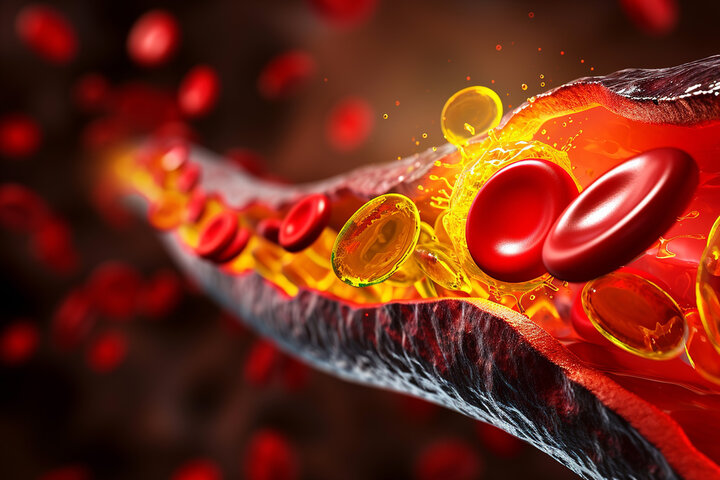
An important new US guideline on cholesterol shifts the focus to earlier and more personalized prevention of heart disease. It encourages screening to begin earlier – sometimes even in childhood – and emphasizes the importance of monitoring not only LDL cholesterol (“bad” cholesterol), but also genetic risk factors such as lipoprotein(a). A new, more advanced risk calculator now uses more comprehensive health data to better predict the risk of heart attacks and strokes over decades.
Look Out For Lower LDL Cholesterol Levels
For the first time since 2018, the American College of Cardiology and the American Heart Association have published updated clinical guidelines for screening and treating blood cholesterol. The recommendations were published in the Journal of the American College of Cardiology and Circulation and presented at the 75th Annual Scientific Session of the American College of Cardiology in New Orleans. The publication came shortly before the publication of a related article entitled “The ABCs of Cardiovascular Disease Prevention: Communicating What We Know in 2026” in the American Journal of Preventive Cardiology.focus on LDL, blood lipids and personalized risk.

The updated guidelines focus on lowering low-density lipoprotein (LDL) cholesterol, commonly known as “bad cholesterol”, as well as other blood lipids such as lipoprotein(a) or Lp(a). It also highlights the need for earlier screening, particularly for people with a family history of heart disease, and calls for more individualized risk assessments based on factors such as existing health conditions. These measures are intended to support more informed, shared decisions between patients and doctors.
“We know that lower LDL cholesterol levels are better when it comes to reducing the risk of heart attacks, strokes and heart failure,” said Dr. Roger S. Blumenthal, chair of the guideline committee and director of the Johns Hopkins Ciccarone Center for the Prevention of Cardiovascular Disease. “We also know that lowering elevated blood lipids and blood pressure in young adults promotes optimal cardiovascular health throughout life.”
Why Early Prevention is Important
The update comes in light of research showing that approximately one in four adults in the United States has elevated LDL cholesterol (LDL-C), which is a major contributor to atherosclerosis (narrowing or hardening of the arteries). Elevated LDL cholesterol levels are also widespread in Europe and are estimated to affect around a quarter to a third of adults.
When certain lipids accumulate, they can form plaque on the artery walls. This plaque can restrict blood flow and, in certain circumstances, rupture, which can trigger a heart attack or stroke or require urgent medical treatment to restore blood flow. Despite these risks, the key advice for maintaining heart health remains unchanged. Experts continue to emphasize the importance of a balanced diet, regular physical activity, avoiding tobacco, getting enough sleep and maintaining a healthy weight. According to Blumenthal, around 80 to 90% of cardiovascular disease is at least partly related to factors that people can influence, so lifestyle changes are a crucial first step.
Earlier Screening and Genetic Risk Factors
A major innovation in the new guidelines is the call for screening at a younger age and a more comprehensive consideration of personal risk. Doctors are encouraged to take into account family history of atherosclerosis, underlying conditions such as rheumatoid arthritis and life events such as early menopause or pregnancy complications – including pre-eclampsia or gestational diabetes – when assessing risk and planning treatment.
For example, people with familial hypercholesterolemia, a genetic condition that leads to very high LDL-C levels, should now start screening at a younger age, from around the age of 9 (or earlier). The guideline also recommends a one-time test for Lp(a), which is associated with a hereditary risk and can increase the risk of heart disease by about 40% at levels of 125 nanomoles per liter and double at 250 nanomoles per liter.
New Risk Calculator Extends Long-term Prognosis
Another important innovation is the introduction of a new tool for estimating the 10- and 30-year risk of heart attack and stroke. The previous model focused mainly on the 10-year risk for adults aged 40 and over and relied on basic factors such as age, cholesterol levels and blood pressure. The new calculator, Predicting Risk of Cardiovascular Disease EVENTs (PREVENT), takes into account additional measures such as blood sugar and kidney function. It is designed for use from the age of 30 and is based on data from 6.6 million people, compared to just 26,000 in the previous model.

“Shifting the paradigm to proactive prevention strategies at younger ages can significantly alter the course of cardiovascular disease and lead to better health outcomes decades later,” says Seth Martin, M.D., M.H.S., cardiologist and member of the guideline committee.
Additional Tests and Personalized Treatment Decisions
To further refine risk estimates, the guideline lists additional factors that doctors can consider, called “risk amplifiers.” For people at borderline or moderate risk, doctors can use additional tests to make decisions. These include measuring inflammation levels using high-sensitivity C-reactive protein (hsCRP), determining Lp(a) levels and checking family history and ancestry. Imaging techniques such as coronary calcium scans are also recommended to detect calcium deposits indicative of plaque formation, allowing treatment plans to be adjusted more precisely.
Coronary calcium scans are special imaging examinations of the heart that are carried out using computer tomography (CT). The amount of calcium in the coronary arteries is measured without interfering with the body (non-invasively). These calcium deposits are caused by arteriosclerosis, in which plaques form in the vessel walls and can narrow the vessels.
The result of the scan is the so-called “calcium score”, which indicates the extent to which the coronary vessels are calcified. A higher value means an increased risk of cardiovascular diseases such as a heart attack. Doctors use this information to better assess the individual risk and, if necessary, initiate measures such as lifestyle changes or drug therapies at an early stage.
Extended Therapy Options and Lower LDL Target Values
The updated guidelines address treatment strategies for a variety of populations, including pregnant and breastfeeding women, adults aged 75 and over, and people with conditions such as diabetes, advanced kidney disease, HIV or cancer.
In addition to statins, the guideline includes updated recommendations on other cholesterol-lowering therapies, including ezetimibe, bempedoic acid and injectable PCSK9 monoclonal antibodies. These options are particularly important for people who do not respond well to statins or require multiple therapies to lower LDL-C. For people without cardiovascular disease, LDL-C levels below 100 mg/dl are considered optimal. Those at medium risk are recommended to lower levels to below 70 mg/dl, while those at high risk should aim for levels below 55 mg/dl. The guideline also contains target values for non-HDL cholesterol and apolipoprotein B.
In an accompanying editorial, experts suggest that future recommendations could further emphasize lowering LDL-C levels to below 55 mg/dl in people with moderate atherosclerosis. This direction is supported by results from the VESALIUS-CV clinical trial, which showed benefits of aggressive cholesterol lowering through combination therapy.
The 2026 guideline for the treatment of dyslipidemia was developed by the American College of Cardiology and the American Heart Association in collaboration with several medical organizations focused on cardiovascular health, prevention and patient care.