



Increasing seasonal concerns about overlapping respiratory illnesses such as colds and flu have sparked interest in ways to boost immune health. New clinical research now suggests that kimchi may help boost immune cell function while keeping the immune system in balance.
What is Kimchi?
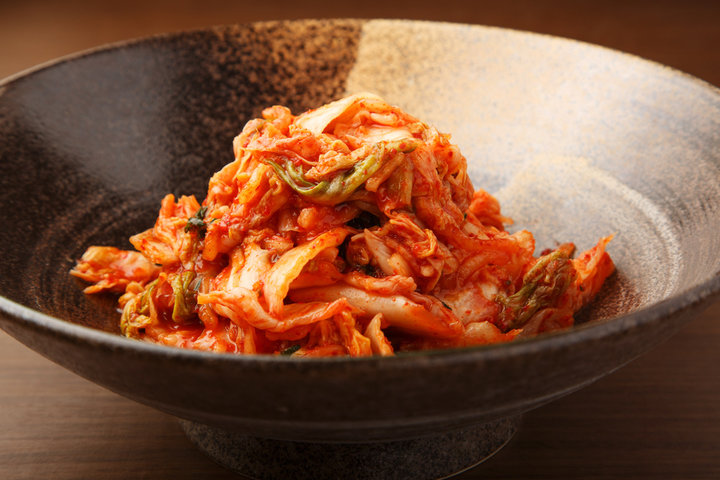
Kimchi is a traditional Korean fermented vegetable dish that has been an integral part of Korean cuisine for centuries. It is usually made from Chinese cabbage, but can also be made from radish, cucumber or other vegetables. Kimchi promotes health on several well-studied levels. Fermentation produces specific lactic acid bacteria (mainly Lactobacillus species) that improve the composition of the intestinal flora. A healthy intestinal microbiota strengthens the intestinal barrier, reduces inflammatory processes and supports the immune system, as a large part of the immune defense is located in the intestine.

Kimchi also provides bioactive ingredients from its main ingredients. Garlic and ginger have antimicrobial and anti-inflammatory effects, while chili contains capsaicin, which can stimulate the metabolism and improve insulin sensitivity. The cabbage used is rich in fiber, which aids digestion, as well as vitamin C, vitamin K and folic acid, which are important for cell protection, blood clotting and cell division.
Another health benefit lies in the short-chain fatty acids and antioxidant compounds produced during fermentation, which have been shown to reduce oxidative stress and are associated with a lower risk of cardiovascular disease and metabolic disorders. Overall, kimchi has a targeted effect on intestinal health, inflammation regulation and metabolic processes and can make a measurable contribution to the prevention of chronic diseases if consumed regularly and in moderation.
Single-Cell Study Reveals How Kimchi Regulates the Immune System
The World Institute of Kimchi (President: Hae Choon Chang), a government-funded research organization led by the Ministry of Science and ICT, has released the results of an advanced single-cell genetic study examining the effects of kimchi on the human immune system. The analysis shows that kimchi has immunomodulatory properties, meaning it can calm excessive immune responses while enhancing protective immune functions.
According to the researchers, this is the world’s first study to identify the immune-related effects of kimchi at the single-cell level. The results also suggest that kimchi may benefit not only metabolic health but also immune health. The clinical trial involved overweight adults who were divided into three groups (n = 13 each). Over a period of 12 weeks, the participants consumed either a placebo, kimchi powder from naturally fermented kimchi or kimchi powder from a starter culture fermentation method.
At the end of the intervention, the researchers collected peripheral blood mononuclear cells (PBMCs) and analyzed them using single-cell transcriptomic analysis (scRNA-seq). This technique enabled the team to observe changes in gene activity in individual immune cells and thus uncover subtle immune changes that often cannot be detected using conventional testing methods.
The results showed that participants who consumed kimchi had increased activity of antigen-presenting cells (APCs), which play a key role in recognizing bacteria and viruses and signaling to other immune cells. The study also found that CD4+ T cells developed in a balanced manner into both protective and regulatory types. These results suggest that kimchi does more than just activate the immune response. Instead, it acts as a “precision regulator,” boosting immune defenses when needed while preventing excessive or unnecessary immune responses.
Fermentation Method Influences Positive Effects on the Immune System
The researchers also observed differences depending on how the kimchi was fermented. Both naturally fermented kimchi and kimchi fermented with starter cultures supported the immune system, with the variant fermented with starter cultures showing a stronger effect. This included improved antigen recognition by the immune cells and a greater reduction in unnecessary immune signals. The team noted that these results indicate the potential to improve the health benefits of kimchi in the future through controlled fermentation technologies.

Dr. Woo Jae Lee of the World Institute of Kimchi, who led the research, said, “Our research has proven for the first time in the world that kimchi has two different effects at the same time: activating immune cells and suppressing excessive reactions.” The researchers plan to expand international research on kimchi and lactic acid bacteria in relation to immune and metabolic health in the future.
The Growing Role of KImchi as a Functional Food
The study helps to position kimchi not only as a traditional fermented dish, but also as a functional food with scientifically proven benefits for the immune system. It is increasingly being standardized, scientifically characterized and integrated into functional nutritional concepts – for example in personalized nutritional approaches or as a component of health-oriented diets. Kimchi thus exemplifies the transition of traditional fermented foods into the field of evidence-based functional nutrition and underlines how cultural nutritional knowledge and modern nutritional science can work together to promote long-term health.
The researchers expect the findings to support future applications ranging from the development of health-promoting functional foods to improving the efficacy of vaccines and reducing the risk of immune-related diseases. The research results were published in npj Science of Food, a leading international journal in the field of food science.