



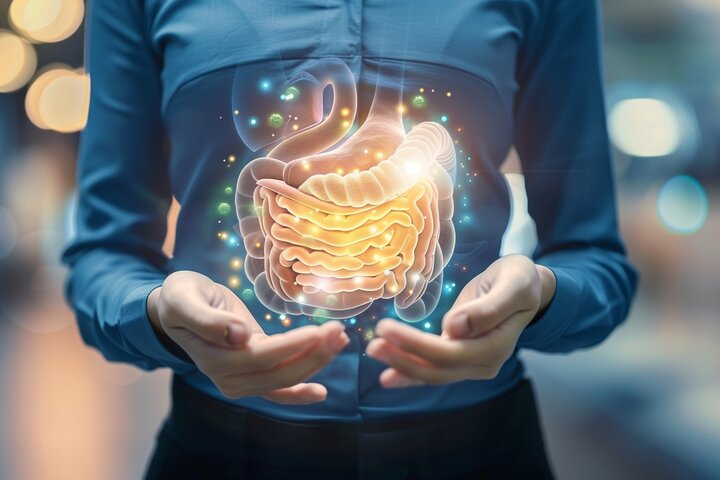
Scientists have conducted a large-scale laboratory analysis of commonly used man-made chemicals and found that 168 of them are harmful to bacteria that normally live in the healthy human gut. These substances slow or stop the growth of microbes that play an important role in overall health. Many of the chemicals identified are those that people are exposed to in everyday life, including food, drinking water and the environment. Until now, it was assumed that most of them had no effect on bacteria.
Pesticides and Industrial Chemicals are Among the Most Harmful Substances for Gut Bacteria
When gut bacteria are exposed to these chemical pollutants, some change the way they function in order to survive. In certain cases, this adaptation also causes the bacteria to become resistant to antibiotics such as ciprofloxacin. If similar changes occur in the human body, infections could become more difficult to treat. The study was led by researchers from the University of Cambridge and involved testing 1076 different chemical pollutants on 22 species of gut bacteria under laboratory conditions.
Chemicals that have been shown to harm gut bacteria include pesticides such as herbicides and insecticides that are commonly used in agriculture. Industrial compounds used in products such as flame retardants and plastics were also found to be toxic to these microbes.
Healthy Microbiome Essential
The human gut microbiome is made up of several thousand different microorganisms that help the body function properly. When this delicate system is disrupted, it can lead to a variety of health problems. The valuable microbes aid digestion by breaking down food components such as fiber that the human body cannot utilize on its own, producing important substances such as vitamins and short-chain fatty acids.
The gut is closely linked to the immune system, as a large part of the immune defense is located there. A balanced microbiome helps to ward off pathogens and properly regulate the immune system. In addition, the gut is in constant communication with the brain via the so-called gut-brain axis, which means that the microbiome can also influence mood, stress management and mental well-being. If this delicate balance is upset, this is known as dysbiosis, which is associated with complaints such as digestive problems, obesity, a weakened immune system or even psychological changes. Factors such as an unbalanced, low-fibre diet, stress, lack of sleep or the frequent use of antibiotics can have a negative impact on the microbiome, while a varied diet, sufficient exercise and a healthy lifestyle contribute to the stability and diversity of the intestinal flora.
Researchers Call for a New Approach to Chemical Safety
Current chemical safety assessments do not usually take the gut microbiome into account. This is because chemicals are targeted at specific organisms or processes, for example insecticides should target insects. Using the data from their experiments, the researchers developed a machine learning model that can be used to predict whether industrial chemicals – whether already in use or in development – can harm human gut bacteria. The results and the new model were published in the journal Nature Microbiology.
Dr. Indra Roux, a researcher at the MRC Toxicology Unit at the University of Cambridge and lead author of the study, said: “We found that many chemicals that are designed to affect only a specific target group, such as insects or fungi, also affect gut bacteria. We were surprised that some of these chemicals had such strong effects. For example, many industrial chemicals such as flame retardants and plasticizers that we regularly come into contact with were thought to have no effect on living organisms, but this is not the case.”

Professor Kiran Patil, lead author of the study and also based at the MRC Toxicology Unit at the University of Cambridge, added: “The real strength of this large-scale study is that we now have data that we can use to predict the effects of new chemicals in order to achieve a future where new chemicals are inherently safe.” According to Dr. Stephan Kamrad, another researcher involved in the work, safety assessments of new chemicals for human use must guarantee that they are also safe for our gut bacteria, which could come into contact with the chemicals through our food and water.
What Scientists Don’t Yet Know About Exposure in the Real World
There is currently limited information on how environmental chemicals directly affect the gut microbiome and therefore human health. The researchers say that gut bacteria are likely to be frequently exposed to many of the chemicals tested, but the exact amounts that reach the digestive system remain unclear. To better understand the risks, future studies need to track chemical exposure throughout the body.
Now that they have begun to discover these interactions in the lab, it is important to collect more data on chemical exposure in the real world to see if there are similar effects in our bodies. Until more is known, the researchers recommend simple measures to reduce exposure, such as washing fruits and vegetables before eating them and avoiding pesticides in the home garden.